The Ultimate Guide to a Healthy Lifestyle: Problems, Solutions, and a Vision for the Future
In today’s fast-paced world, maintaining a healthy lifestyle has become both more important and more challenging than ever. With the rise of sedentary jobs, processed foods, digital distractions, and increasing stress levels, people across the globe are struggling to balance their physical, mental, and emotional well-being. A healthy lifestyle is no longer just about eating vegetables or going to the gym—it is a comprehensive approach that includes nutrition, exercise, mental health, sleep, habits, and long-term sustainability.
This article explores the key problems people face, practical solutions, expert opinions, measurable health indicators, and a forward-looking vision for achieving a healthier life.
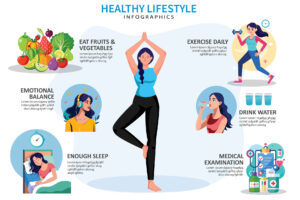
1. The Problem: Why Modern Life Is Unhealthy
Despite increased awareness, many people still struggle to live healthily. The reasons are complex and interconnected.
1.1 Poor Diet Habits
One of the biggest issues is the widespread consumption of processed and fast food. These foods are often high in sugar, salt, and unhealthy fats while lacking essential nutrients.
-
Convenience over nutrition
-
Emotional eating
-
Lack of knowledge about balanced diets
1.2 Sedentary Lifestyle
Modern technology has reduced physical movement. Many people sit for long hours at work, commute in vehicles, and spend leisure time on screens.
-
Office-based jobs
-
Excessive screen time
-
Lack of daily physical activity
1.3 Mental Health Struggles
Stress, anxiety, and burnout are increasingly common due to work pressure, financial concerns, and social expectations.
-
High stress levels
-
Lack of emotional support
-
Digital overload
1.4 Poor Sleep Quality
Sleep deprivation has become normalized, yet it significantly affects overall health.
-
Late-night screen use
-
Irregular sleep schedules
-
Poor sleep environments
2. The Solution: Building a Healthy Lifestyle Step by Step
Improving health doesn’t require extreme changes. Small, consistent habits lead to long-term success.
2.1 Balanced Nutrition
A healthy diet should include:
-
Fruits and vegetables (vitamins and fiber)
-
Lean protein (muscle repair and growth)
-
Whole grains (sustained energy)
-
Healthy fats (brain and heart health)
Practical Tips:
-
Cook more meals at home
-
Read food labels
-
Reduce sugar and processed foods gradually
2.2 Regular Physical Activity
Exercise doesn’t have to be intense to be effective.
-
30 minutes of moderate activity daily
-
Walking, cycling, or home workouts
-
Strength training 2–3 times per week
Consistency is more important than intensity.
2.3 Mental Wellness
Mental health is just as important as physical health.
-
Practice mindfulness or meditation
-
Limit social media consumption
-
Talk to friends or professionals when needed
2.4 Quality Sleep
Good sleep improves mood, energy, and immune function.
-
Aim for 7–9 hours per night
-
Keep a consistent sleep schedule
-
Avoid screens before bedtime
3. Opinions: What Experts Emphasize
Health professionals generally agree on several key principles:
-
Prevention is better than cure
-
Lifestyle diseases are largely avoidable
-
Mental and physical health are interconnected
-
Sustainable habits matter more than quick results
Many experts believe that modern health problems are not due to lack of knowledge, but lack of consistency and discipline.
4. Suggestions: Simple Changes That Make a Big Difference
If you’re just starting your health journey, focus on these practical steps:
Daily Habits
-
Drink more water (at least 2 liters per day)
-
Take short breaks from sitting
-
Eat at regular times
Weekly Habits
-
Plan your meals
-
Exercise at least 3–5 times
-
Reflect on your progress
Long-Term Habits
-
Set realistic goals
-
Track your habits
-
Stay patient and consistent
5. Questions and Answers
Q1: Do I need a strict diet to be healthy?
Answer: No. A balanced and flexible approach is more sustainable than strict dieting.
Q2: How much exercise is enough?
Answer: At least 150 minutes of moderate exercise per week is recommended.
Q3: Can I be healthy without going to the gym?
Answer: Yes. Walking, home workouts, and active daily routines are effective.
Q4: Why is mental health important?
Answer: Mental health affects decision-making, motivation, and physical health.
Q5: How long does it take to see results?
Answer: Small improvements can be noticed within weeks, but long-term health requires ongoing effort.
6. Different Points of View
6.1 Traditional View
Health is often seen as physical fitness and absence of disease.
6.2 Modern View
Health includes mental, emotional, and social well-being.
6.3 Holistic View
Health is a balance between body, mind, and environment.
6.4 Minimalist View
Simple living, fewer distractions, and mindful habits lead to better health.
Each perspective offers valuable insights, and combining them can lead to a more complete lifestyle approach.
7. Measurement: How to Track Your Health
To improve your health, you need to measure it.
Physical Indicators
-
Body weight and BMI
-
Blood pressure
-
Heart rate
Fitness Indicators
-
Endurance (how long you can exercise)
-
Strength (lifting capacity)
-
Flexibility
Lifestyle Indicators
-
Sleep duration
-
Daily steps (target: 8,000–10,000)
-
Water intake
Mental Health Indicators
-
Stress levels
-
Mood stability
-
Focus and productivity
Tracking these metrics helps you stay motivated and identify areas for improvement.
8. Future Vision: The Evolution of Healthy Living
The future of health is exciting and full of possibilities.
8.1 Technology Integration
-
Wearable fitness trackers
-
AI-based health recommendations
-
Personalized nutrition plans
8.2 Preventive Healthcare
Healthcare systems are shifting from treating illness to preventing it.
8.3 Increased Awareness
People are becoming more conscious of their health choices.
8.4 Work-Life Balance
Flexible work environments may allow more time for self-care.
8.5 Sustainable Living
Healthy lifestyles will increasingly align with environmental sustainability.
The goal is not just to live longer, but to live better.
9. Conclusion
A healthy lifestyle is not a destination—it is a continuous journey. While modern life presents many challenges, it also offers opportunities to make better choices. By understanding the problems, applying practical solutions, and staying consistent, anyone can improve their quality of life.
The key is balance. You don’t need perfection—you need progress.
Start small:
-
Eat a little better
-
Move a little more
-
Sleep a little earlier
-
Stress a little less
Over time, these small actions will create a powerful transformation.
Remember, your health is your greatest asset. Investing in it today will pay lifelong dividends.
