Sports in Contemporary Society: A Comprehensive and Practical Framework for Health, Performance, and Sustainable Engagement
In the modern landscape of health and lifestyle management, sports occupy a central and increasingly important role. No longer limited to professional athletes or organized competition, sports have become a widely accessible and highly effective means of improving physical health, enhancing mental resilience, and fostering social connection. As individuals seek more balanced and sustainable ways to manage their well-being, participation in sports offers a structured yet flexible solution.
From a professional perspective, sports should not be viewed solely as recreational activities or competitive pursuits. Instead, they represent a systematic approach to physical engagement that integrates movement, discipline, and performance-oriented thinking. When approached with intention and consistency, sports can significantly contribute to long-term health outcomes, productivity, and overall quality of life.
This article provides a detailed, user-friendly, and professionally grounded exploration of sports, focusing on their benefits, structure, and practical integration into everyday routines.
Expanding the Definition of Sports
Sports are commonly associated with competition, leagues, and performance metrics. While these elements are central to professional athletics, they do not fully capture the broader value of sports in everyday life.
At a more comprehensive level, sports can be defined as structured physical activities that require skill, coordination, and consistent participation. This includes a wide range of activities, from team-based games such as football and basketball to individual pursuits such as running, swimming, and tennis.
The defining characteristic of sports is not the presence of competition, but the combination of physical effort, skill development, and intentional engagement. This broader definition makes sports accessible to individuals across different age groups, fitness levels, and personal preferences.
Physical Health Benefits: A Foundational Perspective
The physical benefits of sports are among the most well-documented and widely recognized. Regular participation contributes to multiple aspects of physiological health, many of which are essential for long-term well-being.
One of the primary benefits is improved cardiovascular function. Activities that involve sustained movement, such as running or cycling, strengthen the heart and enhance circulation. Over time, this reduces the risk of cardiovascular disease and improves overall endurance.
Sports also play a significant role in developing muscular strength and endurance. Repetitive movements and resistance-based activities stimulate muscle growth and improve functional capacity, enabling individuals to perform daily tasks more efficiently.
Flexibility and joint mobility are additional benefits. Many sports involve dynamic movements that enhance range of motion and reduce stiffness, contributing to injury prevention and long-term physical independence.
Furthermore, consistent participation in sports supports weight management by promoting energy expenditure and metabolic balance. This contributes to maintaining a healthy body composition and reducing the risk of lifestyle-related conditions.
Mental and Emotional Well-Being
Beyond physical health, sports have a profound impact on mental and emotional well-being. This aspect is increasingly recognized as equally important in modern health discussions.
Engaging in sports provides an effective mechanism for stress management. Physical activity stimulates the release of endorphins, which are associated with improved mood and reduced stress levels. This makes sports a valuable tool for managing the psychological demands of daily life.
Sports also enhance cognitive function. Regular physical activity has been linked to improved concentration, memory retention, and decision-making abilities. These benefits extend beyond sports and contribute to performance in academic and professional environments.
Another important aspect is the development of self-confidence. Achieving progress in sports, whether through improved performance or skill acquisition, reinforces a sense of accomplishment and personal capability.
Additionally, sports foster emotional resilience. Participants often encounter challenges, setbacks, and competitive situations, all of which require adaptability and perseverance. Over time, these experiences strengthen the ability to manage adversity effectively.
Social and Interpersonal Benefits
Sports provide a structured environment for social interaction, making them an important tool for building relationships and community engagement.
Team-based sports, in particular, emphasize collaboration and communication. Participants must work together toward shared objectives, developing skills that are directly transferable to professional and social contexts.
Participation in sports also creates opportunities for community involvement. Local clubs, recreational leagues, and group activities foster a sense of belonging and encourage social connection.
Even in individual sports, social interaction often occurs through training groups, coaching relationships, or shared events. These interactions contribute to a supportive and motivating environment.
Categories of Sports: Identifying the Right Approach
Selecting an appropriate type of sport is essential for maintaining long-term engagement and satisfaction.
Team sports, such as football or volleyball, are well-suited for individuals who enjoy collaboration and structured interaction. These activities provide both physical benefits and opportunities for social engagement.
Individual sports, including tennis, swimming, and running, offer greater flexibility and autonomy. They allow participants to focus on personal goals and progress at their own pace.
Recreational and outdoor activities, such as hiking or cycling, combine physical activity with environmental engagement. These activities are particularly effective for individuals seeking a balance between fitness and relaxation.
Choosing the right type of sport depends on individual preferences, lifestyle constraints, and long-term objectives. A personalized approach increases the likelihood of consistent participation.
Developing a Structured Training Routine
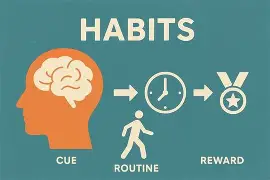
Consistency is a key determinant of success in sports. A well-structured training routine ensures that activities are both effective and sustainable.
A comprehensive routine typically includes several components. Warm-up exercises prepare the body for activity by increasing blood flow and reducing the risk of injury. Skill development sessions focus on improving specific techniques or performance elements.
Strength and conditioning exercises support overall physical fitness, enhancing endurance, power, and stability. Finally, cool-down activities promote recovery by reducing muscle tension and improving flexibility.
The intensity and frequency of training should be adjusted based on individual fitness levels and goals. Gradual progression is essential to avoid overtraining and maintain long-term engagement.
Nutrition and Hydration: Supporting Performance
Nutrition is a critical factor in sports performance and recovery. A balanced diet provides the energy and nutrients required for physical activity.
Carbohydrates serve as the primary source of energy, particularly during high-intensity activities. Proteins support muscle repair and growth, while fats contribute to sustained energy and overall health.
Hydration is equally important. Maintaining adequate fluid levels supports physical performance, regulates body temperature, and prevents fatigue. Even minor dehydration can negatively impact both physical and cognitive function.
A consistent and balanced approach to nutrition ensures that the body is properly supported before, during, and after physical activity.
Recovery and Injury Prevention
Recovery is an essential component of any sports routine, yet it is often overlooked.
Adequate rest, including sufficient sleep, allows the body to repair and adapt to physical stress. This process is essential for improving performance and preventing injury.
Active recovery, such as light stretching or low-intensity movement, helps reduce muscle stiffness and improve circulation. Incorporating rest days into a training schedule ensures that the body has time to recover fully.
Injury prevention also involves proper technique, appropriate equipment, and awareness of physical limits. Addressing minor discomfort early can prevent more serious issues.
The Role of Technology in Modern Sports
Technology has significantly influenced how individuals engage with sports and fitness.
Wearable devices and mobile applications provide data on performance metrics, such as heart rate, distance, and activity levels. This information can be used to track progress and optimize training routines.
Online platforms offer access to training programs, instructional content, and virtual coaching, making sports more accessible to a wider audience.
However, technology should be viewed as a supportive tool rather than a replacement for fundamental practices. The focus should remain on consistency, technique, and overall well-being.
Overcoming Barriers to Participation
Despite the benefits of sports, individuals often encounter obstacles that limit participation.
Time constraints are a common challenge. Integrating shorter, consistent sessions into daily routines can help address this issue.
Motivation may also fluctuate. Establishing a routine and setting realistic goals can improve consistency.
Physical limitations or lack of experience should not be barriers. Adapting activities to individual capabilities ensures safe and effective participation.
Limited access to facilities can be addressed through alternative approaches, such as home-based workouts or outdoor activities.
Building a Sustainable Sports Lifestyle
Sustainability is the key to long-term success in sports.
Consistency is more important than intensity. Regular, moderate activity produces better results than sporadic, high-intensity efforts.
Enjoyment plays a crucial role in maintaining engagement. Choosing activities that are personally enjoyable increases the likelihood of long-term commitment.
Setting achievable goals provides direction and motivation, while adaptability ensures that routines can evolve with changing circumstances.
The Broader Impact of Sports
Sports contribute not only to individual well-being but also to broader societal outcomes.
They play a role in public health by promoting active lifestyles and reducing the prevalence of chronic conditions. The sports industry also contributes to economic development through employment, infrastructure, and services.
Additionally, sports foster social cohesion by bringing individuals and communities together, promoting shared experiences and mutual understanding.
Conclusion
Sports, when approached with structure and intention, offer a comprehensive framework for improving physical health, mental well-being, and social connection. They are not limited to competition or professional performance, but are accessible tools for enhancing everyday life.
By selecting appropriate activities, maintaining consistent routines, and prioritizing long-term sustainability, individuals can integrate sports into their lifestyles in a meaningful and effective way.
Ultimately, sports represent more than physical activity—they are a practical and adaptable pathway to achieving balance, resilience, and overall quality of life in an increasingly demanding world.
